


Enhanced technology leads smart sewer network revolution

Posted on

Rapidly increasing uptake of remote sensor technology is revolutionising how sewer networks are monitored and managed across the world- and has prompted a firmware update from technology company Metasphere, writes Ryan Pearson, head of strategy.

Metasphere was a pioneer in this field, launching its first remote sensor solution for sewer networks in 2021. This innovative approach is already providing substantial benefits to progressive water companies globally, enabling them to proactively manage their infrastructure and enhance environmental protection.

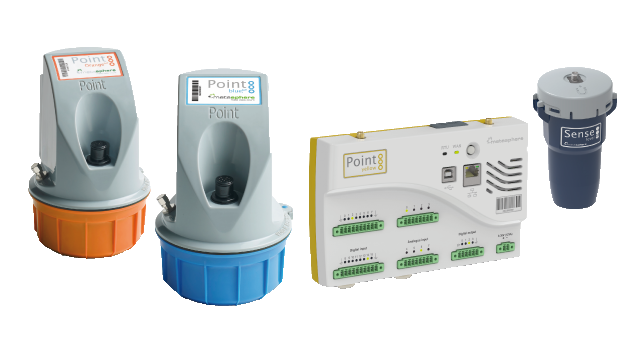
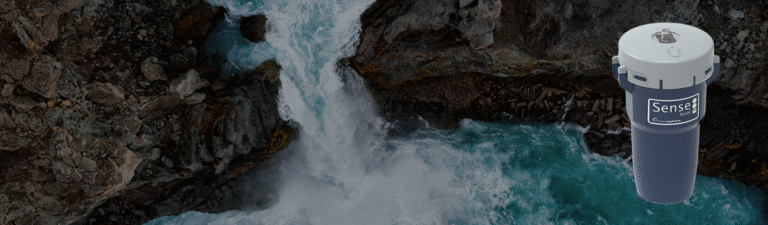
Reflecting its ongoing commitment to innovation, Metasphere has just announced a major firmware update for its Sense Level sewer level monitors. This update reinforces the company’s dedication to supporting the water sector in achieving critical environmental targets, such as reducing storm overflow spills.

Ryan Pearson, Head of Strategy, Metasphere

Proactive management

Remote sewer network monitoring offers a multitude of advantages, including the proactive identification of blockages, prevention of overflows, reduced manual inspections and associated costs, improved employee safety, and real-time data insights for superior network management and regulatory compliance. However, its implementation presents several key challenges.

The inherent variability of sewer environments, encompassing diverse pipe and chamber sizes, materials, and flow conditions, complicates standardized sensor deployment. Additionally, harsh conditions and seasonal weather variations can significantly impact device effectiveness and battery life.

“Another improvement is optimising the battery life,” explains John Alimi, devices product manager at Metasphere. “This means the devices can last longer in the field, resulting in fewer maintenance visits. Overall, our customers achieve significant operational efficiency gains from this combination of features and improvements.”

Just as with mobile phones, connectivity can be unreliable above ground, let alone in hard-to-reach underground locations. This necessitates resilient communication solutions.

“One of the biggest challenges in precision sewer level monitoring is reliable connectivity,” says Alimi. “You can deploy the most advanced sensing technologies, such as radar and ultrasonic, but without connection, the system becomes very ineffective.
“If the system isn’t connected, you can’t monitor conditions in real-time, respond to issues, or make informed decisions. With dynamic network switching, we’re able to optimise for better connection during installation. This ensures that the connectivity rate goes up, giving more reliable visibility across the network – essentially avoiding costly fines by identifying blockages and protecting the environment from spills.”

Finally, cost-effectiveness remains a concern, requiring a careful balance between the benefits of remote monitoring and the investment in equipment, installation, and maintenance.

John Alimi, Product Manager for Devices John Alimi, Product Manager for Devices, Metasphere
Optimised operations

Remote network monitoring has myriad advantages when optimised for these challenges. With the right sensors in place, water companies benefit from optimised resource allocation, reduced operational costs associated with reactive repairs, and improved network efficiency.

Their customers experience fewer disruptions due to flooding and sewer backups, leading to increased satisfaction and peace of mind. Importantly, the environment reaps the rewards through a decrease in pollution incidents – safeguarding water quality and protecting ecosystems.

Metasphere pioneered remote sensor solutions for sewer networks in 2021, and the company currently has over 60,000 Sense Level sewer level monitors installed across Wessex Water, Southern Water, Thames Water, Severn Trent and Anglian Water networks.

Since launching in 2021, the company has continually developed and refined its remote telemetry technology, and the firmware update announced for 2025 will help the water sector meet Ofwat’s ambitious targets for water companies during AMP8. Key environmental goals include the 45% reduction in storm overflow spills by 2030 (relative to 2021 levels), achieved through a £12 billion investment and upgrades to 2,884 storm overflows.

A further £6 billion is allocated to tackling nutrient pollution across approximately 1,000 sites and catchments. Nature-based solutions and biodiversity enhancement will receive £3.3 billion.

Beyond these specific initiatives, water companies will be measured against up to 23 performance targets encompassing areas such as reducing water abstraction, further decreasing storm overflows, improving biodiversity and bathing water quality, cutting greenhouse gas emissions, eliminating serious pollution incidents, and maintaining and enhancing asset health.

“When developing and refining our firmware, we’re constantly asking – what are our customers are most concerned about? The answer is always reliability, regulatory compliance, environmental protection and value for money,” says Alimi.

“The fact that we’re continuously improving on the performance of our firmware to meet these needs speaks volumes about Metasphere’s commitment to innovation, the water sector and the wider environment.”

Asset resilience

Metasphere’s latest update directly addresses these challenges. The enhanced sensor performance and reliability means greater proactive identification of issues such as blockages and preventing overflows, reduced manual inspections, and improved safety for employees, as well as operational efficiency gains and improved asset robustness.

Key improvements include:

  • Enhanced data processing algorithm to improve the radar capabilities of the Sense Level device, delivering better data quality and greater precision in target detection
  • Dynamic selection between low-power, wide-network cellular technologies Cat-M1 and NB-IoT, which gives optimal connectivity. File transmission rates that are 20%, faster, enabling rapid remote firmware upgrades and device management, and longer battery-life
  • Enhanced telemetry points that provide deeper insights into device behaviour – enabling quicker issue resolution

This release also addresses specific customer requirements, tailoring device configurations and performance to align precisely with diverse operational needs.

The latest firmware update represents another significant step in Metasphere’s commitment to helping the UK water sector meet its challenging environmental and efficiency goals over the current AMP and beyond.